Fungal Functions
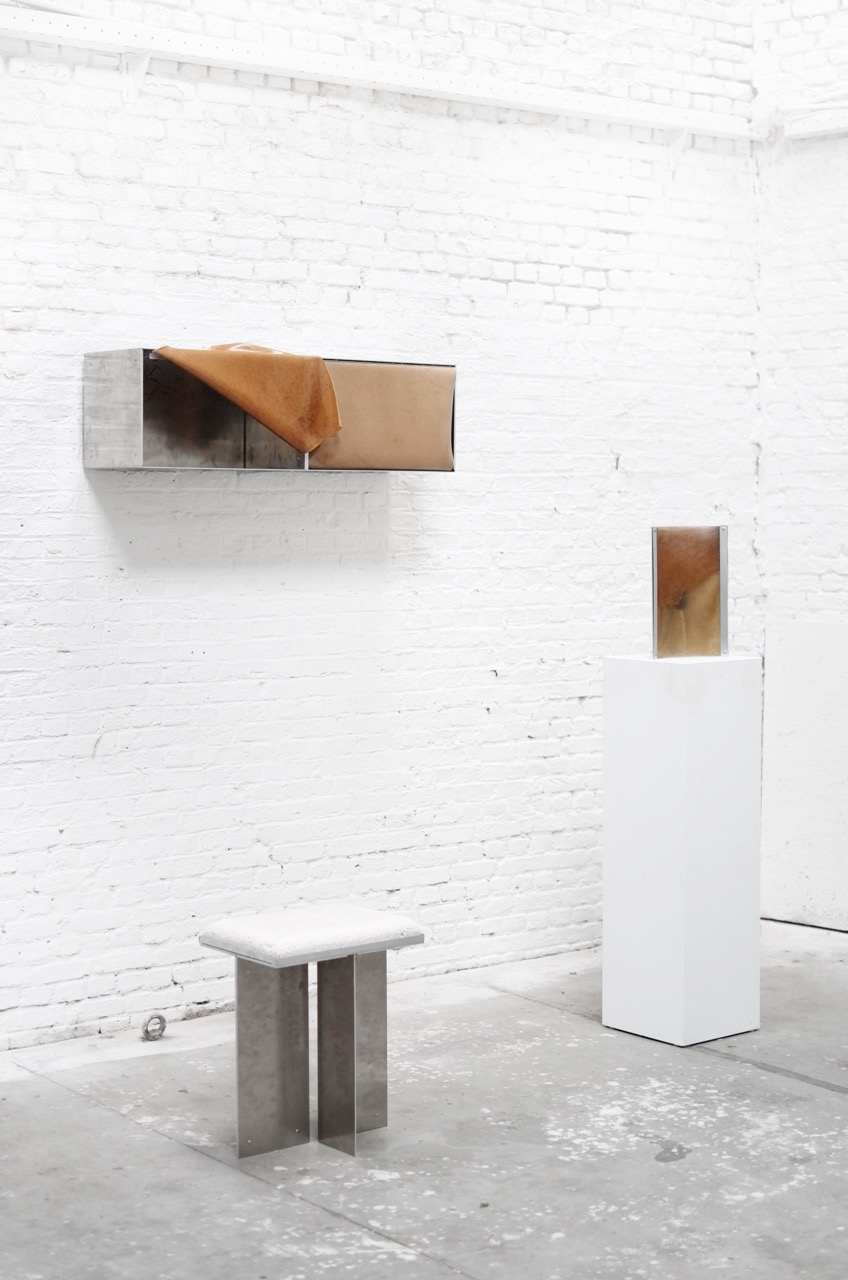
Unlike wood, leather, or ceramics, fungal materials do not yet carry a stable cultural meaning. Their organic, heterogeneous appearance is often read as incompleteness rather than intention, and associations with decay or contamination remain close to the surface. Through a series of collectible objects, Fungal Functions works against this by pairing three distinct fungal materials with a familiar and legible one: aluminum.
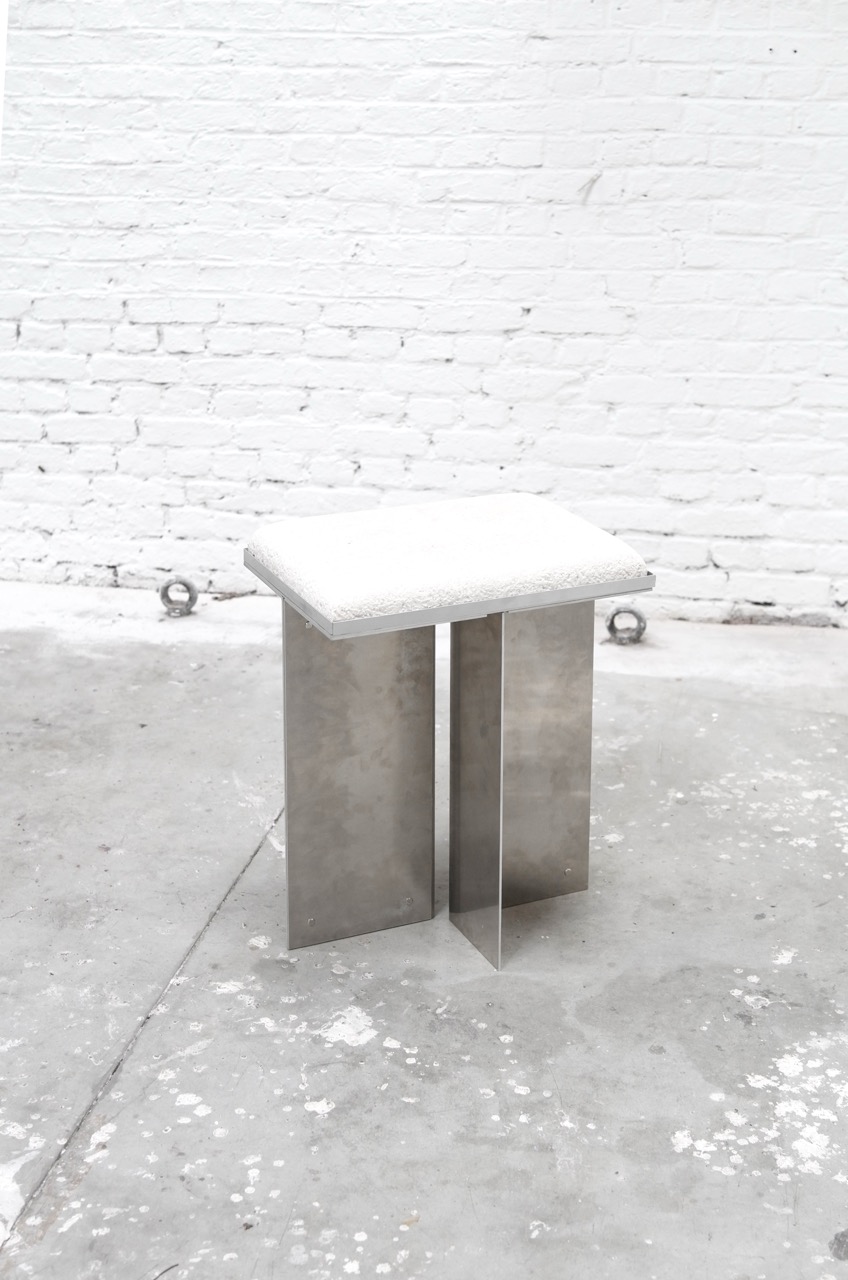
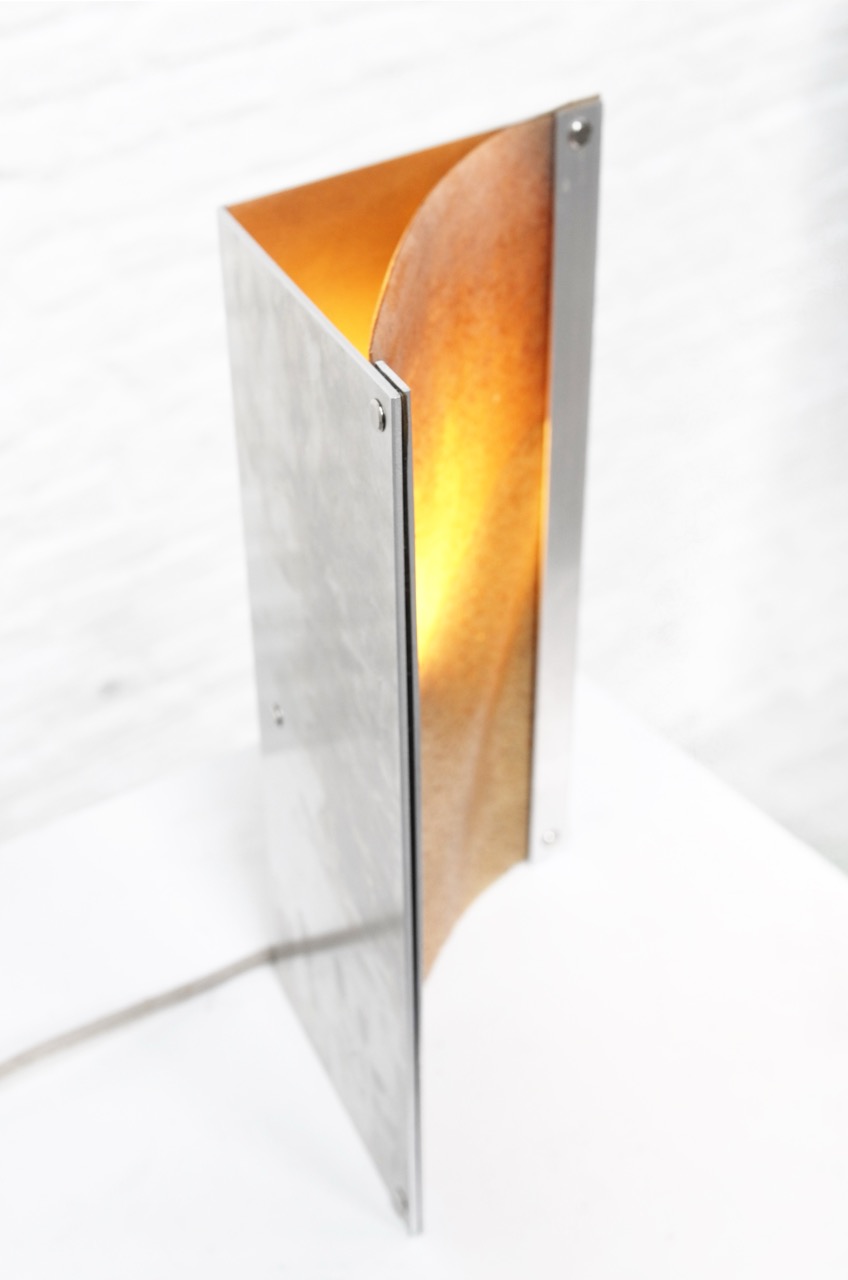
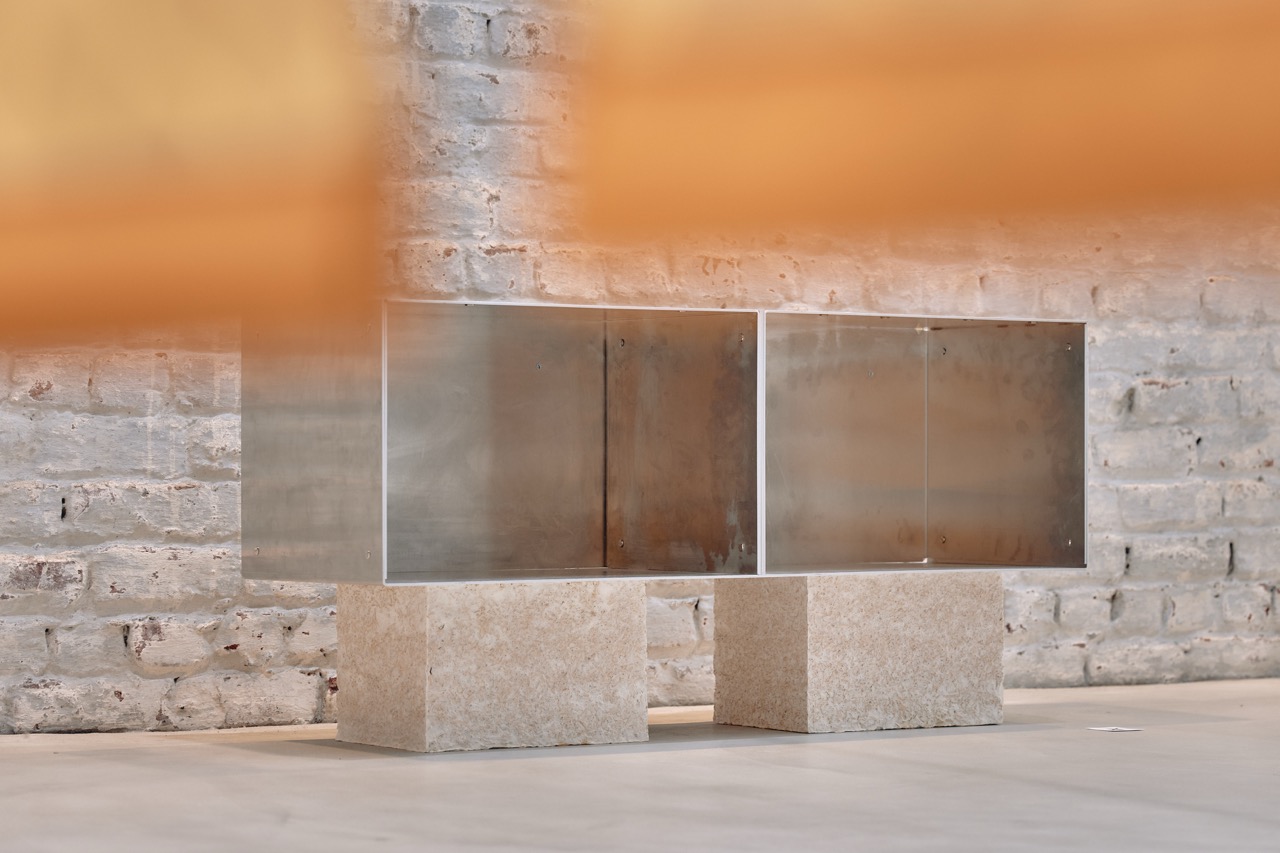
Each object is built around a specific material process. The stool features a cushion grown on hemp agricultural waste, revalorizing a substrate that would otherwise be discarded. The lamp shade was formed from biomass produced during a fungal dye wastewater remediation process, in which the organism itself acts as a detoxifying agent. The cabinet curtains are naturally colored using a fungal strain that produces a red brown pigment. In each case, the aluminum provides the familiar ground against which the variety and functionalities of this new class of materials can be read. Fungi not only offer potential as a novel class of materials: their formation process can be coupled to a range of environmental processes, such as bioremediation, waste valorisation, and pigment production, producing the material and performing a biological function simultaneously.